Friday, February 4, 2011

Belgium Supports Burma UN Commission of Inquiry

Burma activists in Europe on Friday welcomed the Belgian government’s decision to support the creation of a UN Commission of Inquiry to probe possible war crimes and crimes against humanity committed by the military government.

Belgium is now the 14th nation and the 10th EU member to support the establishment of a UN Commission of Inquiry on Burma.

Last fall, Belgium’s caretaker government indicated that it would likely support the creation of an inquiry. Interim Foreign Minister Steven Van Ackere told a Parliamentary committee that ‘the past should not be hidden’.

‘The proposal to establish a Commission of Inquiry into war crimes and crimes against humanity…must therefore, logically be included into this process’, he said.

In a press release heralding the move, Belgium-based Action Birmanie [Burma] said on Friday: ‘There is abundant proof of the possible crimes against humanity perpetrated by the Burmese generals, and these crimes occur increasingly. The time has come for these [crimes] to be investigated, in order to put an end to the culture of impunity, which feeds on a daily basis the oppression in Burma.’

Belgium has been without a permanent government since last June, when federal elections produced an electoral stalemate in which the Flemish nationalists N-VA party headed by Bart De Wever became the largest party in the country. Coalition talks between the Flemish N-VA and parties representing Belgium’s French-speaking community have dragged on for more than 230 day.

Monday, January 31, 2011

ပေလာင္လူမ်ဳိးမ်ား အဓိက ပင္မ အသက္ေမြး၀မ္းေက်ာင္း

ပေလာင္လူမ်ဳိးမ်ားရဲ့ အဓိကပင္မအသက္ေမြးဝမ္းေက်ာင္းမွာ လက္ဖက္ျဖစ္ပါတယ္။ အေလာင္းစည္သူမင္းႀကီး မာလာယုကြၽန္းသို႔ ေရာက္ေတာ္မူစဥ္အခါက အဂၤတိေဒဝ၊ ေဇယ်၊ သၾသဳ၊ ဗါႏုဒိဗၺ အမည္ရွိေသာ နတ္ဘီလူးညီေနာင္ ေလးေယာက္တို႔က ဟသၤသာဇလုပ္အတြင္းမွရွိတဲ့ “နိလဗီဇ” ေခၚ “ရသာဝသီ” နတ္သစ္ေစ့ကို ဆက္သလိုက္ရာ ထိုနတ္သစ္ေစ့ကို ပေလာင္လူမ်ဳိးမ်ား စိုက္ပ်ဳိးစားေသာက္ၾကရန္ ေပးသနားေတာ္မူေလတယ္။

ပေလာင္တို႔ကို မင္းႀကီးတြင္ပါလာေသာ “နိလဗီဇ” သစ္ေစ့ကို စိုက္ပ်ဳိးစားေသာက္ရန္ ေပးသနားေတာ္မူ၍ ပေလာင္လူမ်ဳိးတို႔က စိုက္ပ်ဳိးၿပီးေနာက္ အပင္အရြက္ျဖစ္သည့္အခါ ခူးဆြတ္၍ မင္းႀကီးထံဆက္သၾသေသာ္ မင္းႀကီးသည္ ထိုသစ္ရြက္တို႔ကို စားေတာ္ေခၚေလတယ္။ မင္းႀကီးမွာ လက္ဖက္ကို စက္ေတာ္မေခၚႏိုင္ဘဲ လက္ဖက္ကိုပိုက္ၿပီး ေနရေသာေၾကာင့္ ထိုသစ္ရြက္ကို လက္ပိုက္ဖက္ရြက္ေခၚရာမွ ကာလၾကာ၍ “လက္ဖက္ရြက္ကို ” ၄င္းမွာ “လက္ဖက္” ေခၚသည္ဟုဆိုေလတယ္။


မင္းႀကီးေပးသနားေတာ္မူေသာ နိလဗီဇ၊ ရသဝသီ နတ္သစ္ေစ့ကို ပေလာင္အမတ္ အမ်ဳိးသားတဦးထံ (တာေမာင္ငြဳိင္း) ေပးကမ္းတဲ့အခါမွာ လက္တဖက္ႏွင့္ ခံယူတဲ့အတြက္ေၾကာင့္ လက္တဖက္ပင္လို႔ စတင္ေခၚ ေဝၚခဲ့ၾကတယ္။ ကာလၾကာၿပီး “လက္တဖက္”ပင္မွ “လက္ဖက္ပင္” ၄င္းမွ လဘက္ပင္ ဘကုန္းေပၚလဆင့္၍ “လဖက္” ဟုလည္းေရးထံုးျပဳၾကေလတယ္။


အေလာင္းစည္သူမင္းႀကီး လဘက္မ်ဳိးေစ့ေပးေသာ ေနရာအထိမ္းအမွတ္အျဖစ္ အေဆာက္အဦးအတြင္း၌ မင္းႀကီးက လဘက္မ်ဳိးေစ့ ေပးသနားေတာင္မူစဥ္ “တာေမာင္ငြဳိင္း”က လက္တစ္ဖက္တည္းခံယူေနတဲ့ပံု ေက်ာက္ရုပ္ရွိ ထားတယ္။ ပေလာင္ဘာသာႏွင့္ လဘက္ကို “ျမန္း” ရွမ္းဘာသာျဖင့္ “နိမ့္” ဟုေခၚသည္။ အဓိပၸါယ္တူျဖစ္ရာ ဇလုပ္ထဲက မ်ဳိးေစ့ဟုဆိုလိုရင္းျဖစ္ေပတယ္။

ေရႊဖီခ်ိန္ ဦးဦးဖ်ားဖ်ားမွ ရရွိလာေသာ မိုးလြတ္ေလလြတ္ လက္ဖက္ေျခာက္၊ အခ်ဳိေျခာက္၊ လက္ဖက္စိုတို႔ကို အေလာင္းစည္သူမင္းအား ပူေဇာ္သၾကပါတယ္။ အဘယ္ေၾကာင့္ဆိုေသာ္ သူ၏ ေက်းဇူးေၾကာင့္ ပေလာင္ လူမ်ဳိးမ်ားက လက္ဖက္ကို ေကာင္းမြန္စြာဘဝရပ္တည္ေရးအတြက္ ေျဖရွင္းႏုိင္ခဲသလို လက္ဖက္အထြက္ေကာင္း ေအာင္လည္း အၿမဲတမ္း ပူေဇာ္ပသၾကပါတယ္။

လက္ဖက္ဖူးပြင့္ရန္အတြက္ တေပါင္းလေလာက္တြင္ မိုးဦးစၿပီး ရြာသြန္းပါတယ္။ အဘယ္ေၾကာင့္ဆိုေသာ္ က်မတို႔ဆီမွာ ေျပာေလ့ရွိတာကေတာ့ ေရႊဖီဦးအတြက္ ရြက္ႏုေလးေတြ ဖူးပြင့္ဖို႔ ရြာခ်ေပးသလို ေရႊဖီဦးကို ႀကိဳဆိုတာျဖစ္ပါတယ္။ လက္ဖက္အဖူး အညြန္႔မ်ား မိုးအရွိန္ႏွင့္ ေလအရွိန္ေၾကာင့္ ေဝေဝဆာဆာ ဖူးပြင့္လာပါတယ္။

ေရႊဖီခ်ိန္တြင္မ်ားေသာအားျဖင့္ လက္ဖက္ၿခံပိုင္ရွင္ေတြက လက္ဖက္ေစ်းႏႈန္းမမွီမွာ တေၾကာင္း၊ လက္ဖက္ရင့္သြားမွာ ေၾကာက္တာကတေၾကာင္း လက္ဖက္ခူးကူဖုိ႔ ဗမာျပည္သူမ်ားကို အကူညီေတာင္းပါတယ္။ ေနရာေပါင္းစံု ေဒသေပါင္းစံုပဲ သြားေခၚၾကပါတယ္။ အခ်ဳိ႔ေသာက်ေတာ့ သီေပါရွမ္း၊ ေက်ာက္မဲရွမ္းေတြကို ေခၚပါတယ္။ ေရႊဖီဆိုရင္ က်မတို႔ဆီမွာ ပြဲအစီဆံုးျဖစ္သလို လူေပါင္းစံုနဲ႔စုေပါင္းၿပီး ေနထိုင္ၾကပါတယ္။

ကဆုန္လဆိုရင္ ေရႊဖီခ်ိန္ၿပီးခါးနီးျဖစ္ၿပီး လက္ဖက္နည္းနည္းပါးပါးက်န္တာကို ခူးဆြတ္တဲ့အခ်ိန္ ျဖစ္သလို ခါးကန္ကို ႀကိဳဆိုတဲ့အေနနဲ႔ ပိုက္ဆံတတ္ႏုိင္တဲ့ လက္ဖက္ၿခံပိုင္ရွင္ေတြက လက္ဖက္ေပါက္၊ ၿခံရွင္း၊ လက္ဖက္အပင္ ထိပ္ဖ်ားကို ခုတ္ျဖစ္ထားရပါတယ္။ ကဆုန္လကုန္ နယုန္လေလာက္ဆိုရင္ ခါးကန္ခ်ိန္ျပန္ေရာက္လာၿပီ။ မိုးရာသီလည္းျဖစ္တဲ့ ခါးကန္ခ်ိန္ဆိုရင္ ခူးဆြတ္ဖို႔အတြက္ တအိမ္ၿပီးတအိမ္ ကိုယ္နဲ႔ရင္းႏွီးတဲ့သူႏွင့္ လွည့္လွယ္ၿပီး သူတလွည့္ ကိုယ့္တလွည့္ သြားေလ့ရွိပါတယ္။ မိုးရာသီခ်ိန္ျဖစ္ေတာ့ လူေတြေတာ္ေတာ္ေလးနဲ႔ ပင္ပင္ပန္းပန္း လက္ဖက္ခူး ရပါတယ္။ မိုးဘယ္ေလာက္ပဲရြာရြာ လက္ဖက္ကို မျပစ္ထားရက္ဘူး။ ဘာျဖစ္လို႔ဆုိေတာ့ ပေလာင္ေတြရဲ့ အသက္ေမြးေက်ာင္းဟာ လက္ဖက္ျဖစ္တယ္ဆုိေတာ့ လက္ဖက္ရွိမွ တျခားေသာ စားေသာက္ကုန္ကို ဝယ္စားႏုိင္ မွာျဖစ္ပါတယ္။ ေပ်ာ္စရာလည္း ေတာ္ေတာ္ေကာင္းပါတယ္။ ေဒသေပၚမွာမူတည္ၿပီး လက္ဖက္ကို ျပဳလုပ္ၾကပါတယ္။

သတင္းကြၽတ္လႏွင့္ တေဆာင္မုန္းလ ေလာက္ဆိုရင္ ခါးကန္ကုန္ခါးနီးခ်ိန္ျဖစ္ပါတယ္။ လက္ဖက္ကုန္ခါးနီးလဲျဖစ္ေတာ့ လက္ဖက္သီးကို စၿပီးခူးဆြတ္တယ္၊ လက္ဖက္ပင္ပ်ဳိးေထာင္တယ္၊ အပင္ေသေနရာမ်ားတြင္ အစားထိုးစိုက္တယ္ အစရွိသည့္တို႔ျပဳလုပ္ေလ့ရိွပါတယ္။ ခူးဆြတ္ၿပီးတဲ့လက္ဖက္သီးကို တစ္လ၊ ႏွစ္လေလာက္ သိုေလွာင္ထားၿပီးမွ အခ်ဳိ႔ေပါင္းေပါက္ၿပီး အပင္ပ်ဳိးကာ ျပန္စိုက္ပါတယ္။ လက္ဖက္ပင္ကို (၃)ႏွစ္ၾကားထားၿပီးမွ လိုအပ္တဲ့ ေနရာတြင္ျပန္လည္အစားထိုးစိုက္ပ်ဳိးမႈမ်ား ျပဳလုပ္ေပးရပါတယ္။ တခ်ဳိ႔မွာ လက္ဖက္ၿခံထဲရွိ လိုအပ္တဲ့ လက္ဖက္ပင္ပါးတဲ့ေနရာကို တေတာင္အနက္နဲ႔ တေပပတ္လည္ဝန္းက်င္ရွိ အက်င္းမ်ားတူးၿပီး မ်ဳိးေစ့ေလး၊ ငါးေစ့ ထည့္ပ်ဳိးၾကၿပီး (၃)ႏွစ္ၾကာ အပင္ေပါက္မ်ားအား အခ်ဳိ႔ႏႈတ္၍ အျခားေနရာတြင္ ျပန္စိုက္မ်ားရွိသလို ျပန္မစိုက္ သူေတြလဲရွိပါတယ္။ ျပန္စိုက္ရာတြင္ အပင္ေပါက္မ်ားကို အေတာ္ေလး ဂရုစိုက္ျပဳစုေပးရပါတယ္။ ၾကမ္းၾကမ္း တမ္းတမ္းလည္း ခူးဆြတ္လို႔မရပါဘူး။

နတ္ေတာ္၊ ျပာသိုႏွင့္ တပို႔တြဲလဆိုရင္ လက္ဖက္အရြက္မ်ား အထြက္တိုးေစရန္အတြက္ ေနာက္ထပ္တႀကိမ္ လက္ဖက္ၿခံကိုေပါင္းသင္း၊ ရွင္းလင္းေပးျခင္းကို အျပန္အလွန္ အင္အားသံုးၿပီးေပါက္ထြင္ ရွင္းလင္းေပးရပါတယ္။ ေရႊဖီအလြန္မိုးလက္ဖက္မတိုင္မွီၾကားကာလအတြင္း အပင္ျမင့္နဲ႔ ခူးဆြတ္ရန္ခက္ခဲတဲ့လက္ဖက္ပင္မ်ားကို (၇)ႏွစ္ တႀကိမ္ခ်ဳိင္းၿပီး ေနာက္ထပ္(၃)ႏွစ္ေစာင့္၍ ေကာင္းေကာင္းခူးရပါတယ္။ လက္ဖက္ကို ခူးလြယ္ရန္ျဖစ္သလို အိုေသာ အပင္ကိုျပန္လည္ ႏုပ်ဳိးလာေအာင္လည္းခ်ဳိင္းေပးျခင္းျဖစ္ပါတယ္။ လက္ဖက္ခုတ္ထိလိုက္လွ်င္ လက္ဖက္အထြက္ ေကာင္းေအာင္ျဖစ္ပါတယ္။

၄င္းရာသီကိုလည္း တႏွစ္ပတ္လံုး လိုအပ္ေသာ ထင္းမ်ားခုတ္ျခင္း၊ အိမ္အေရာက္ လူအားနဲ႔ေသာ္လည္းေကာင္း၊ ႏြား၊ ျမင္းအစရွိသည့္တို႔ကို အသံုးျပဳၿပီးသယ္ရပါတယ္။ ဒီအခ်ိန္ဆိုရင္ လူေတြက ေတာ္ေတာ္ေလးကိုပင္ပန္းတဲ့ ရာသီျဖစ္ပါတယ္။ ဟင္းသီး၊ ဟင္းရြက္ မစိုက္တဲ့အခ်ိန္ျဖစ္သလို အလြန္ေျခာက္ေသြ႔တဲ့ရာသီျဖစ္ပါတယ္၊၊ ဤ ရာသီကို ဝင္ေငြမရွိတဲ့အခ်ိန္လို႔ ပေလာင္လူမ်ဳိးမ်ားသည္ အလြန္ဆင္းရဲေသာအခ်ိန္ျဖစ္ပါတယ္။

လက္ဖက္ေျခာက္လုပ္ပံုလုပ္နည္း လက္ဖက္လုပ္ပံုလုပ္နည္းမွာ ဦးစြာလက္ဖက္အပင္မွ လက္ဖက္ရြက္မ်ားအား ခူးဆြတ္ရမည္။ ၄င္းအရြက္မ်ားကို ေရေႏြးေငြ႔အသံုးျပဳကာ ေပါင္းေခ်ာင္အတြင္း ထည့္၍ေပါင္းရမည္။ အရြက္မ်ား လိမ္ေစရန္ အဖန္ဓါတ္မ်ားေလ်ာ့ေစရန္အတြက္ လွိမ့္ေပးရမယ္။ ၿပီးေတာ့ အေျခာက္ျဖစ္လာေစရန္အတြက္ ဖ်ာမ်ား ေပၚတြင္ေနလွန္းေပးရမည္။ မနက္မိုးမလင္းခင္ ၅-၆ နာရီတြင္ စလွန္ၿပီးျဖစ္တယ္။ ဘာျဖစ္လို႔လဲဆိုေတာ့ မ်ားေသာအားျဖင့္ ပေလာင္လူမ်ဳိးမ်ားက လက္ဖက္သြားခူးတဲ့အခ်ိန္ျဖစ္ပါတယ္။ ၄င္းအေျခာက္မ်ားမွ အေကာင္း (အမာ)ႏွင့္အပြ (အရင့္) ေရာေနေသာ လက္ဖက္မ်ားအား သီးသန္႔စီျပန္ခြဲရဦးမယ္။ ၿပီးေတာ့ လက္ဖက္အညြန္႔ စင္းစင္းေလးမ်ားျဖစ္လာရန္အတြက္ ၄င္းအား စကာက်ဲမ်ားျဖင့္ ျပန္ခ်ေပးပါတယ္။

လက္ဖက္ေျခာက္လုပ္ငန္းအား အဓိကအားျဖင့္ ေရႊဖီခ်ိန္တြင္သာ ျပဳလုပ္ၾကၿပီး ခါးကန္ခ်ိန္တြင္ လက္ဖက္စုိ၊ လက္ဖက္ေလွာ္စက္မ်ားျဖင့္ အခ်ဳိေျခာက္ လက္ဖက္သာလွ်င္ ျပဳလုပ္ၾက ပါတယ္။ ပွ်မ္းမွ်အားျဖင့္ လက္ဖက္စို ၃ ပိသာကို လက္ဖက္ေျခာက္ (အဖန္ေသာက္) ျပဳလုပ္လွ်င္ တပိသာ ထြက္ပါတယ္။ ေရႊဖီဦး (သို႔) ေရႊဖီမိုးလြတ္၊ေလလြတ္ လက္ဖက္ေျခာက္ဟာ အေရာင္အဆင္းေတာက္ေျပာင္ျခင္း၊ ေသးငယ္ျခင္း၊ လက္ဖက္ေျခာက္ အရုိးတံကေလးမ်ားေပၚတြင္ ေငြျခည္ေရာင္ေခၚေသာ အျဖဴေရာင္အစင္း ကေလးမ်ားပါျခင္း၊ လက္ဖက္ ရုိးတံကေလးေတြ ခတ္မ်ားမ်ားသာ ပါရွိေသာေၾကာင့္ လက္ႏွင့္ဆုပ္ကိုင္ၾကည့္လွ်င္ ဆူးမ်ားစူး သကဲ့သို႔ရွိၿပီး အျခားအမ်ဳိးအစား လက္ဖက္ေျခာက္မ်ားထက္ အေလးခ်ိန္ပို၍စီးျခင္း၊ ဖ်ဥ္ျခင္းခ်ဳပ္ေသာ အပ္နဖ်ားေပါက္တြင္ ထည့္သြင္းဝင္ေရာက္ေသာ ပုရစ္ဖူးကေလးမ်ားစြာ ရွိသည့္အျပင္ ျဖဴး၊ ေျပာင္၊ မာ၊ ေသး၊ ရသာ ခ်ဥ္ဖန္ေမႊးဟူေသာ ဂုဏ္ရွစ္မ်ဳိးႏွင့္လည္း ျပည့္စံုလွပါတယ္။ အရည္မလင့္ႀကိဳသျဖင့္ကား ဝါက်င့္လွ်ံ ေရႊရည္ႀကံရွိသလို ပ်ားရည္စံ မွ်ရွိပါတယ္။

လက္ဖက္ေျခာက္ကို တဝေသာက္သံုးသူမ်ား အဆိပ္အေတာက္ကို ေျပေစျခင္း အေမာအပန္းကို ေျပေစျခင္း၊ စိတ္ႏွလံုးၾကည္လင္ေစျခင္း၊ ေသြးအားေလအားနည္း ေနသူမ်ားကို ေလအားေသြးအားေကာင္းေစႏိုင္ျခင္း၊ ဆီး ေရာဂါမ်ားကိုလည္း ေပ်ာက္ကင္းေစႏိုင္ျခင္းစတဲ့ အစြမ္းသတၱိမ်ားနဲ႔လည္း ျပည့္စံုပါတယ္။

သႀကၤန္က်ၿပီးေနာက္ ၁၅ ရက္အတြင္းခူး၍ ျပဳလုပ္ေသာ လက္ဖက္ေျခာက္ကို “ေရႊဖီရြက္သား” လို႔ေခၚ တတ္ၾကပါတယ္။ လက္ဖက္ေျခာက္ေကာင္းဆိုလွ်င္ နမ့္ဆန္ၿမဳိ႔နယ္ ေတာင္ေက်ာ္ေက်းရြာႏွင့္ ဟြမ္ဟဲေက်းရြာတြင္ အေကာင္းဆံုးဟု သတ္မွတ္ၾကပါတယ္။

ပေလာင္လူမ်ဳိးမ်ားသည္ လက္ဖက္ေျခာက္ျပဳလုပ္တဲ့အျပင္ လက္ဖက္စိုကိုလည္း ေျမာက္မ်ားစြာ ျပဳလုပ္ၾကပါတယ္။ လက္ဖက္စိုမ်ားအနက္ နမ့္ဆန္ၿမိဳ႔နယ္ ဇယန္းႀကီးအရပ္မွထြက္ေသာ လက္ဖက္ကိုသာ အေကာင္းဆံုးဟု သတ္မွတ္ထားပါတယ္။ ဇယန္းႀကီးအရပ္မွ ေျမၾသဇာ အေကာင္းဆံုးျဖစ္တယ္။ ေနေရာင္ျခည္စ၍ ထြက္လွ်က္ထြက္ျခင္း လက္ဖက္ပင္မ်ားအတြက္ လိုအပ္ေသာ အပူရွိန္ကိုလည္း မွန္မွန္ရရွိတယ္။ ရြာခ်ေသာ မိုးေရလည္း လက္ဖက္ပင္မ်ားေအာက္တြင္ ဝပ္မေနဘဲ ေလွ်ာက်သြားေစႏိုင္တဲ့ သဲေျမ၊ ေက်ာ္ကစရစ္ခဲေျမ၊ အခံဓါတ္နဲ႔ အေအးဓါတ္မ်ားရွိပါတယ္။ အရပ္ေလးမ်က္ႏွာ (သို႔) အရပ္ရွစ္မ်က္ႏွာမွ တိုက္ခတ္ေသာ ေလျပင္းမုန္တိုင္း ဒဏ္မ်ားကို မထိခိုက္ႏိုင္ရန္ ေတာင္မ်ားကလည္း ပတ္လည္ဝိုင္း၍ ကာကြယ္ေပးလ်က္ရွိတယ္။ ထိုသို႔ေသာ ပထဝီအေနအထားကို အေၾကာင္းျပဳ၍ ဇယန္းႀကီးအရပ္မွ လက္ဖက္မွာ အေကာင္းဆံုးဟု သတ္မွတ္ၾကပါတယ္။

လက္ဖက္စိုလုပ္နည္းမွာ လက္ဖက္စိုလုပ္နည္းမွာ လက္ဖက္ပင္မွ မႏုမရင့္က်င့္က်င့္။ ငါးေထြးရြက္ လက္ဖက္ရြက္မ်ားကို ခူးယူရပါတယ္။ ခူး၍ေပါင္းၿပီး နယ္ကာေျမက်င္းထဲရွိ ႏွီးႏွင့္ရက္လုပ္ထားေသာ ပုတ္ထဲသို႔ ထည့္ရတယ္။ ၿပီးေတာ့ ဂုတ္ႏွိပ္သိပ္ထားကာ ဖ်ာၾကမ္းမ်ားဖံုး အုပ္လ်က္ ေျမဓါတ္ႏွင့္ ႏွပ္ထားရေပသည္။ လက္ဖက္စို ျပဳလုပ္တဲ့အခ်ိန္မွာ အိပ္ေရးအရမ္းပ်က္ပါတယ္။ ည ၈ နာမွ ၁ နာရီအထိ လက္ဖက္ေပါင္း လွိမ့္ေပးရတယ္။ လူအင္အားနဲ႔ လွိမ့္ေပးရတယ္။ ရနံ႔သင္း၍ ဖန္ခ်ဳိအရသာရွိေသာ လက္ဖက္ေျခာက္ႏွင့္ လူတကာလွ်ာလည္ေအာင္ အရသာေကာင္းသည့္ လက္ဖက္စိုမ်ားအားျပဳလုပ္ရသည္မွာ လြယ္ကူသည့္ အလုပ္မဟုတ္ေပ။ ေခတ္မွီဖြံ႔ၿဖဳိးမႈ မရွိေသာေၾကာင့္ လူအင္အားျဖင့္သာ ေနရာတကာ လုပ္ေနရေသာ ပေလာင္လူမ်ဳိးမ်ားအတြက္ ပင္ပန္းလွပါတယ္။

လက္ဖက္ေျခာက္၊ လက္ဖက္စိုမ်ားကို ျမန္မာျပည္အႏွံ႔တြင္ ဆိုင္မ်ားတြင္ တင္ပို႔ေရာင္းခ်ပါတယ္။ အခ်ဳိ႔မွာ မိမိရြာတြင္းရွိ ပေလာင္ပြဲစားမ်ား၊ တရုတ္ပြဲစားမ်ားထံ ေရာင္းခ်ၿပီး တရုတ္နယ္စပ္ရွိ ပေလာင္မ်ားမွာလည္း တရုတ္ျပည္ဘက္သို႔သြား၍ ေရာင္းခ်ၾကပါတယ္။ တခ်ဳိ႔မ်ားေသာအားျဖင့္ ျမန္မာျပည္ေအာက္ပိုင္း၊ အထက္ပိုင္း၊ အလယ္ပိုင္းရွိ လက္ဖက္ကုန္သည္မ်ား ပြဲစားမ်ားက လာေရာက္ ဝယ္ယူသူမ်ားထံ ေရာင္းခ်ပါတယ္။ တခ်ဳိ႔ေငြေၾကး တတ္ႏိုင္သူမ်ား မႏၱေလး၊ ရန္ကုန္၊ ဧရာဝတီတိုင္းတို႔ ဆင္းၿပီးကိုယ္တိုင္ ေရာင္းခ်ပါတယ္။

နိဂုံးခ်ဳပ္ေနနဲ႔- “လက္ဖက္ေကာင္းစားလိုလွ်င္ ပေလာင္ေတာင္တက္ေႏွး” “လက္ဖက္ ေကာင္းစားခ်င္လွ်င္ ပေလာင္ေတာင္တတ္ေနရမယ္” ဟု စကားပံုအရ တင္စားေခၚေဝၚၾကပါတယ္။

မယ္တို႔ပေလာင္ စာအုပ္တြင္ ကိုးကားေရးသားထားပါသည္။

လိုည္းေႏြေႏွာင္း

Chief of Tunisian Army Pledges His Support for ‘the Revolution’


The general who may be both the most powerful and the most popular figure in Tunisia spoke publicly Monday for the first time since the ouster of the former dictator, Zine el-Abidine Ben Ali, pledging to uphold “the revolution” and urging patience until the interim government can hold new elections.

“Our revolution is your revolution,” the military leader, Gen. Rachid Ammar, yelled through a megaphone to more than 1,000 demonstrators in a square near his office, according to several witnesses. “The army will protect the revolution.”

General Ammar was trying to placate protesters who are demanding the dissolution of the interim government because of the continued dominance of officials from Mr. Ben Ali’s old ruling party. His remarks are significant because he is playing an unseen but potentially decisive role in the Tunisian government. Many here hope Tunisia will be the first Arab democracy, rising from the first popular overthrow of an Arab strongman.

In the final days of Mr. Ben Ali’s rule, Tunisians watched in wonder as the military inexplicably withdrew from positions defending the capital. After Mr. Ben Ali fled the country a day later, Arab newspapers reported that it was General Ammar’s refusal to fire on civilians that led to Mr. Ben Ali’s final exit.

When chaos engulfed the country the next day it was General Ammar’s military that visibly stepped in to control both civilian looters and marauding members of Mr. Ben Ali’s former security forces. And in the week since then, the military has repeatedly interceded to protect civilian protesters from violence at the hands of the police.

Tunisian newspapers have lauded General Ammar as a national savior. Opposition political leaders have warily acknowledged that his military is the main force upholding the security of the country and its fragile interim government.

Some have speculated that he himself may run for office, noting that his bullhorn speech resembled the beginning of a political campaign. Others, however, argued that his speech — evidently intended to bolster the credibility of the civilian government — was the first sign that he was working for the civilian leaders and not pulling their strings.

A crowd of soldiers who heard the speech, requesting anonymity because they were not authorized to speak publicly, said the general had explicitly endorsed the need for free elections. Speaking fluent English, the soldiers said the general had told the crowd that both the people and the military would ensure a democratic outcome. They praised the protesters for ridding the country of the corruption that surrounded Mr. Ben Ali, and pledged their own support for a constitutional democracy.

Western diplomats and political scientists say the Tunisian military is unlike any other in North Africa and the Middle East — much smaller, more professional and historically apolitical. It has never fought wars and instead worked mostly on efforts like peacekeeping missions or disaster relief.

The soldiers themselves expressed considerable pride at the difference between their force and those in other countries in the region, like Egypt, where all three post-revolutionary dictators have come from the military and, they said, the military’s first loyalty is often to itself. The soldiers all smiled with evident delight as they volunteered that their democratic revolution might threaten other Arab leaders.

Challenges to the interim government’s legitimacy, meanwhile, mounted. Caravans of hundreds of demonstrators had arrived in Tunis over the weekend from the impoverished southern provinces where the revolt began. Defying an 8 p.m. curfew, they set up camp in the old-city square amid the office of the prime minister, the Ministry of Finance and the Ministry of Defense.

Witnesses said that in the early hours of Sunday morning police officers stationed nearby tried to disperse the rowdy crowd with water cannons, but the Tunisian military again interceded to protect the demonstrators and hold back the police — a job that one army officer called “very difficult.”

By Monday morning, hundreds of local people had joined the newcomers, calling for the resignation of Prime Minister Mohamed Ghannouchi, previously the right-hand man to Mr. Ben Ali. “Ghannouchi, wait, wait, we will dig you a grave,” they chanted.

Residents of Tunis donated stacks of old mattresses and bags of food for the demonstrators. Women dispensed sandwiches from the stone porch of the Ministry of Finance, renamed by graffiti artists the “Ministry of Thieves,” and demonstrators picnicked amid army tanks and coils of barbed wire.

The government appeared to be trying to wait out the protesters. A government official, speaking without authorization and on condition of anonymity, argued that the protesters would settle down after they had vented some of the pent-up anger left from decades of silence enforced by the old government.

The government bolstered its credibility with the protesters by returning to the airwaves a private television station shut down Sunday in what seemed to be a blatant violation of pledges to respect freedom of speech. Officials blamed holdover members of the special political police force, acting without authorization, and there were conflicting reports about which official deserved credit for reopening the station.

Officials of the legal opposition parties and Al Nahda, an outlawed Islamist party, have held talks about the formation of a supervisory council to oversee the new government, people involved in those discussions have said. Such a body could help resolve the problem of finding an authority other than the ruling-party-dominated Parliament that could oversee drafting of a constitution.

Separately, Jeffrey D. Feltman, American assistant secretary of state for the Near East, arrived in Tunis to confer with the interim government.

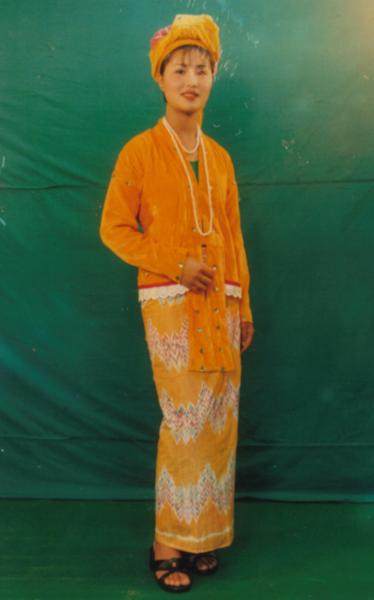
Ta'ang Traditional Dress


Ta'ang Traditional Dress


Type your summary hereType rest of the post here

Friday, January 28, 2011

Burma boosts parliament security

Lawmakers, who won seats in the country's controversial first election in 20 years in November, have begun to converge on the capital Naypidaw. [Reuters]

Burma has stepped up security around its parliament in preparations for the grand opening on Monday.

Cameras, mobile phones, electronic devices, bags and explosives are banned and uninvited visitors risk prison under rules spelled out to lawmakers.

Lawmakers, who won seats in the country's controversial first election in 20 years in November, have begun to converge on the capital Naypidaw.

The regime has yet to say whether any session will be open to reporters.

But it appears it intends to shroud the business of the parliament in secrecy, with anyone who leaks pictures or documents from the parliment facing a maximum of two years in jail, or a 240 dollar fine or both.

The junta has also increased security around the 14 regional parliaments across the country.

Wednesday, January 26, 2011

Adress

CONTACT US

Mai Ta'ang Land

Human Rights Watch report blasts 2010 election

The US-based Human Right Watch (HRW) has issued a report saying the Burmese regime continually denied the public a fair election in 2010 and the human rights situation continues to deteriorate.

The report said that the regime held the general election only after further limiting the rights of freedom of speech and the media and after promulgating undemocratic electoral laws which favoured the junta-backed political party in the election.

HRW noted that the regime of taking ‘preventive measures’ to ensure the main opposition leader, Aung San Suu Kyi, was banned from the electoral process and her party was disbanded as a legal political party.

Moreover, the regime’s electoral laws prohibited any criticism of the military and the 2008 Constitution and holding meetings in religious buildings and schools.

The report also criticised the process by which a ‘social organisation’, the Union Solidarity and Development Association (USDA), was transformed into a political party as the Union Solidarity and Development Party (USDP) and led by 27 junta ministers, including the prime minister, after they resigned from their military posts in April last year.

The junta-backed party inherited funds and other assets owned by the former USDA, the report noted.

Moreover, HRW noted that the regime cancelled polling in 32 townships in Kachin, Kayah, Karen, Mon and Shan states where dissident armed groups dominated the area, claiming security issues.

The general election held in November 2010 was not in accordance with human rights principles and norms, both HRW and the Rangoon-based human rights group, Burma Network for Human Rights (BNHR) pointed out.

The report compiled by BNHR portrayed malpractices, electoral fraud and vote rigging with detailed facts, noting the canvassing of junta ministers by using state-owned funds, vote rigging by using bogus absentee votes, ticking on ballots by polling booth heads on behalf of voters, issuing ballots more than once to some voters, conducting election campaign meetings at religious buildings, not counting votes in the presence of voters as stipulated by electoral laws and other malpracticies.

The report also pointed out the unreliable election results announced by the election commission in which state-run newspapers claimed Ingyanyan constituency No. 2 and Somprabom constituency No. 2 had been won by USDP candidates. In fact, voting in the constituencies was cancelled.

The report also cited the ongoing objections and lawsuits being filed by various opposition political parties and the USDP.

KIO and KNO agree to work together

The Kachin Independence Organisation (KIO) and the foreign-based Karen National Organisation (KNO) have signed a Memorandum of Understanding (MOU) to co-operate with each other while working for the rights of Kachin people.

agreement-letterIn the past, the two organisations have competed with each other in politics for 12 years. On January 21 and 22, the top leaders of both groups met to discuss ways to co-operate with each other for the sake of the Kachin, according to KIO vice chairman Gauri Zaw Seng.

‘In the past, we have had some differences, and we competed. So, some people misunderstood us. From now on, we will work together’, Gauri Zaw Seng told Mizzima.

The KNO was formed to communicate with the international community, which is beyond the KIO’s reach.

Among the areas of mutual agreement was the need to form a federal Union with the co-operation of other pro-democracy ethnic groups, officials said. In the MOU, they also agreed to work to seek racial equality for all ethnic people including Burmese, Chin, Kachin, Karen, Karenni, Mon, Shan and Arakanese.

The KNO was formed in Chiang Mai, Thailand, on January 9, 1999, by Duwa Bawmwang La Raw, a businessman.

KNO members in various countries have staged protests against the junta’s 2008 Constitution, the 2010 elections and the Myitsone Dam Project in Kachin State.

KNO chairman Duwa Bawmwang La Raw said that they have tried to inform the world about human rights abuses in Kachin State and the need to form a genuine federal Union to protect the rights of ethnic people.

‘We tried to let the international community know about the problems under the rule of the military junta. To escape from these conditions and establish peace, we need to form a genuine federal Union’, he said.

The memorandum was signed by KIO Lieutenant General N’Ban La Awng, Vice Chairman Gauri Zau Seng, central committee member Lahpai La, patron Duwa Howa Jala, chairman Duwa Bawmwang La Raw, and General-Secretary Dr. Lahtaw Naw Lawn.

Despite the cease-fire agreement between the KIO and the junta, signed in 1994, the KIO has rejected the junta’s Border Guard Force (BGF) plan. State-run newspapers have labeled the KIO an ‘insurgent group’.

The KIO has not met with the junta since September 2010.

The KIO and its armed wing, the Kachin Independence Army (KIA), were founded on February 5, 1961, by Zau Seng and his brother Zau Tu.

The KNO has branches in the US, Japan, Australia, Denmark, Malaysia, India, Canada, Britain, Norway, Sweden, China and Thailand.

Striking Burmese workers win demands

More than 800 Burmese migrant workers went on strike at the V & K pineapple factory in Bankha Township in Latburi Province in Thailand on Tuesday after a supervisor hit a worker with his fist.

The supervisor, riding a motorcycle, accidentally struck a Burmese worker and then assaulted him, said striking workers.

The next day about 800 Burmese workers staged a protest, saying they could not tolerate anymore violations of their rights and physical assaults against them.

“The accident victim stared at the motorcycle driver when he was hit. And then the driver hit him with his fist. After that, an interpreter was also hit again when he asked why he hit the worker. Now they have swollen faces,’ Maung Maung, a protest leader, told Mizzima.

There were similar physical assaults against the Burmese workers in the past, said one source. ‘The workers were struck arbitrarily with sticks’, he said.

About 40 officials from the immigration office, the labour office, police and soldiers appeared at the factory about 11 a.m. along with two firefighters, and three ambulances, in addition to local officials.

The Burmese workers put forward an 8-point demand and continued their protest through the night. A relative of the factory owner, who was out of the country, met with the protestors and agreed to all their demands, according to Maung Maung.

The demands included: (1) equal work for both Thai and Burmese workers (2) settle wages systematically (3) no more physical assaults against Burmese workers by Thai nationals (4) provide a receipt when payments are made (5) give prior notice about deductions made on their wages (6) provide adequate toilets for workers (7) provide more sanitation for workers and provide transport by car or motorcycle to workers when they have to visit hospitals and clinics (8) give equal rights to piece-work workers.

‘The agreement on our demands was signed by nine representatives of the Burmese workers and the responsible officials from the factory and then copies of the agreement were kept by both sides’, Maung Maung said.

The factory provided only three toilets for all workers and one of them was out of order, workers said. The workers had to pay a fine if they spent more than 10 minutes using toilets.

Out of a total of 1,000 workers in the food processing factory, 800 workers are Burmese nationals.